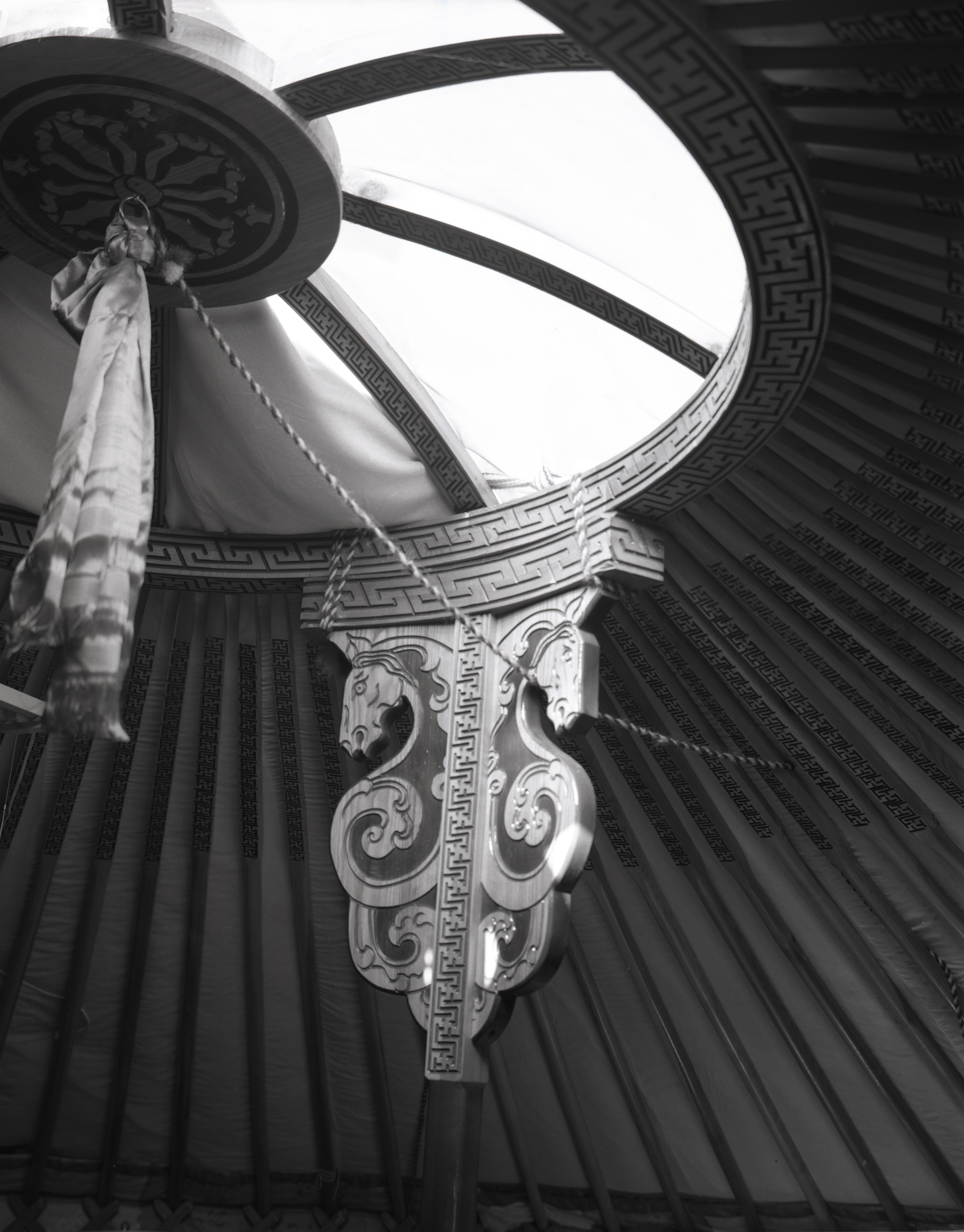
Mongolia is often called the home of the world’s last nomads, a nation shaped by endless sky and open land. From the ancient Hunnu Empire to the empire of Chinggis Khaan, Mongolians have carried the same values: strength, freedom, and respect for nature.
Today, Mongolia stands between two powerful neighbors, yet it maintains its identity. This project explores how that identity continues through people, landscapes, and stories that connect the past and present.
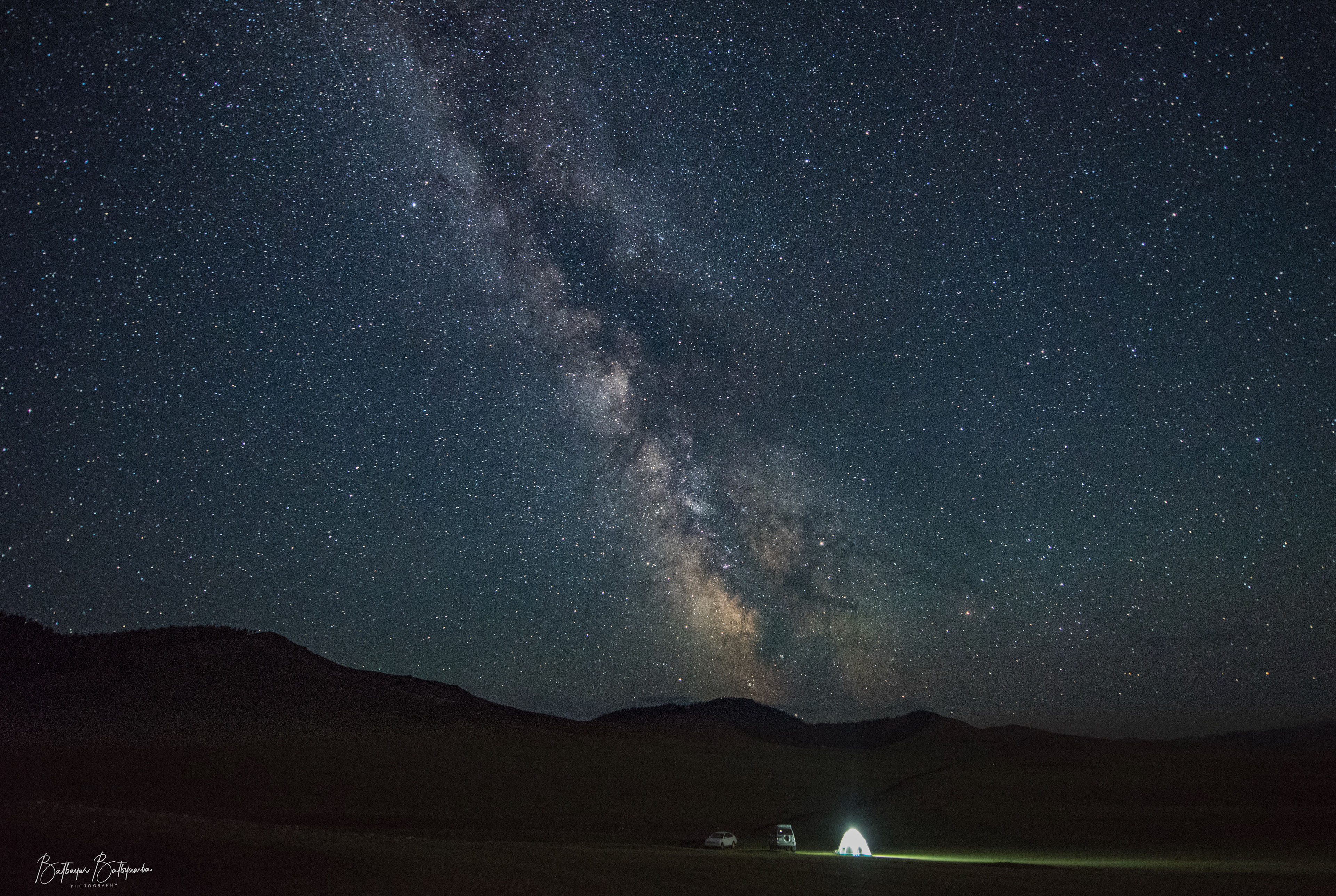
No, it’s not a 5-star hotel—but it comes with a million stars.
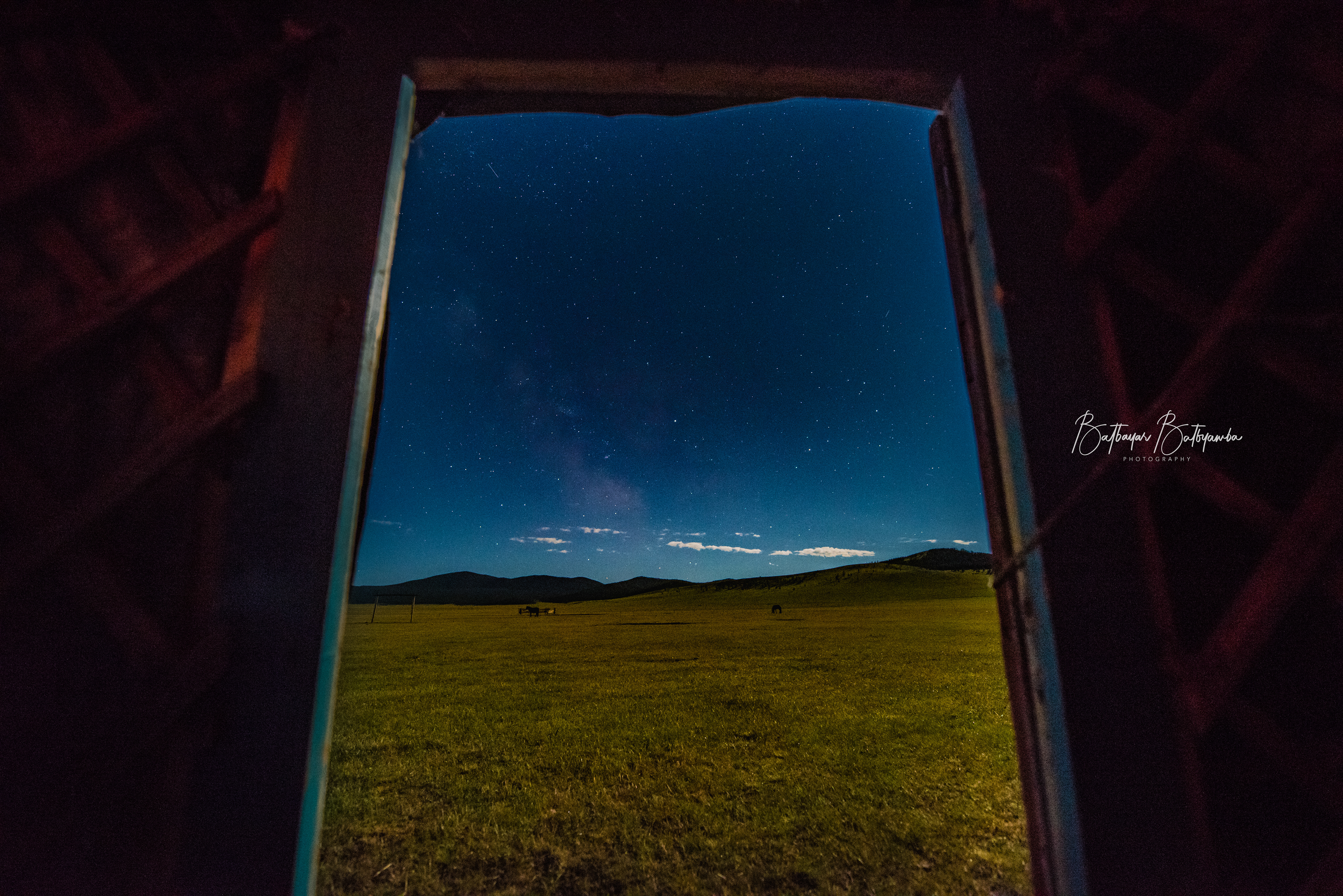
Full Moon night
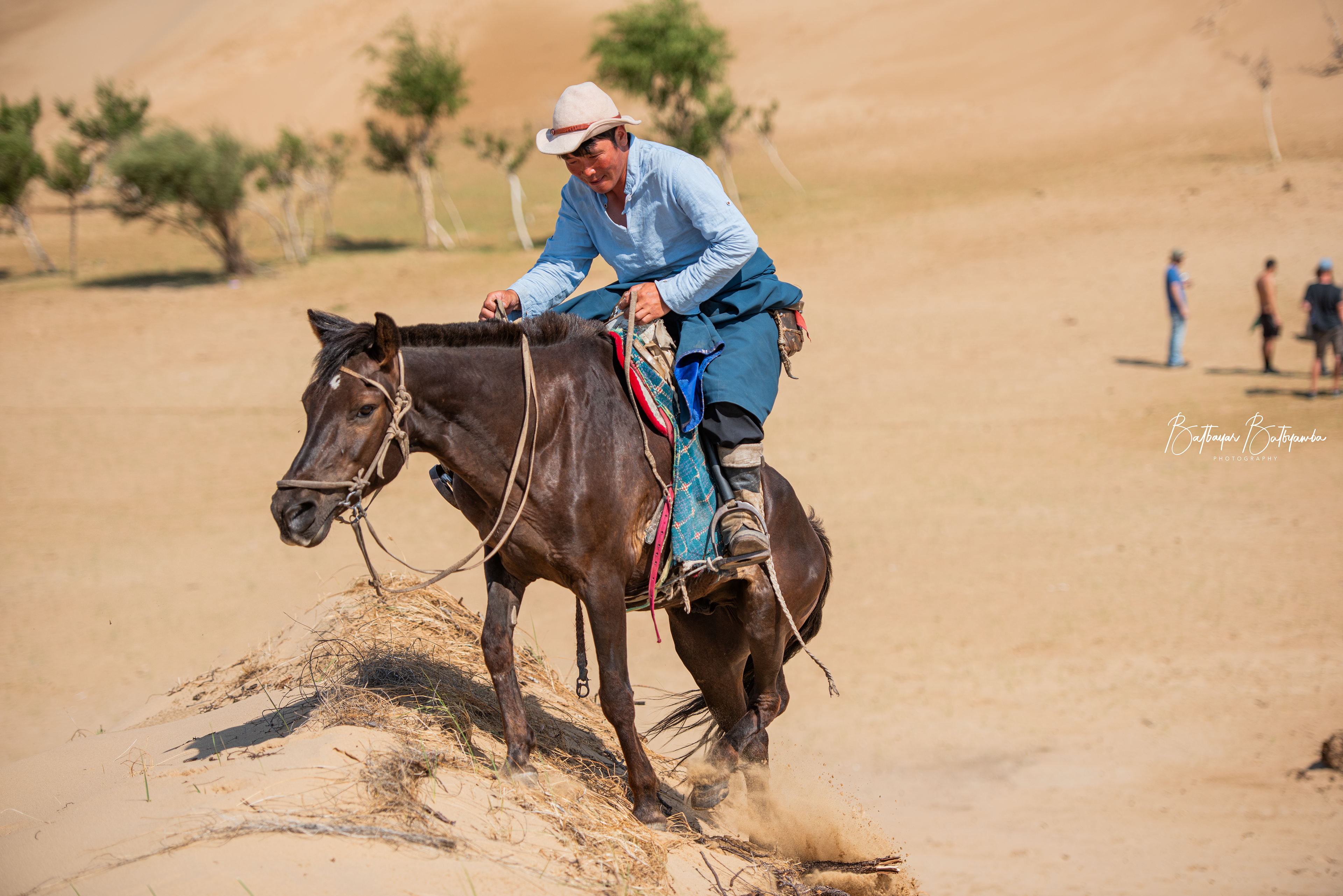
Elsen Tasarkhai, Mongolia
Orkhon Waterfalls
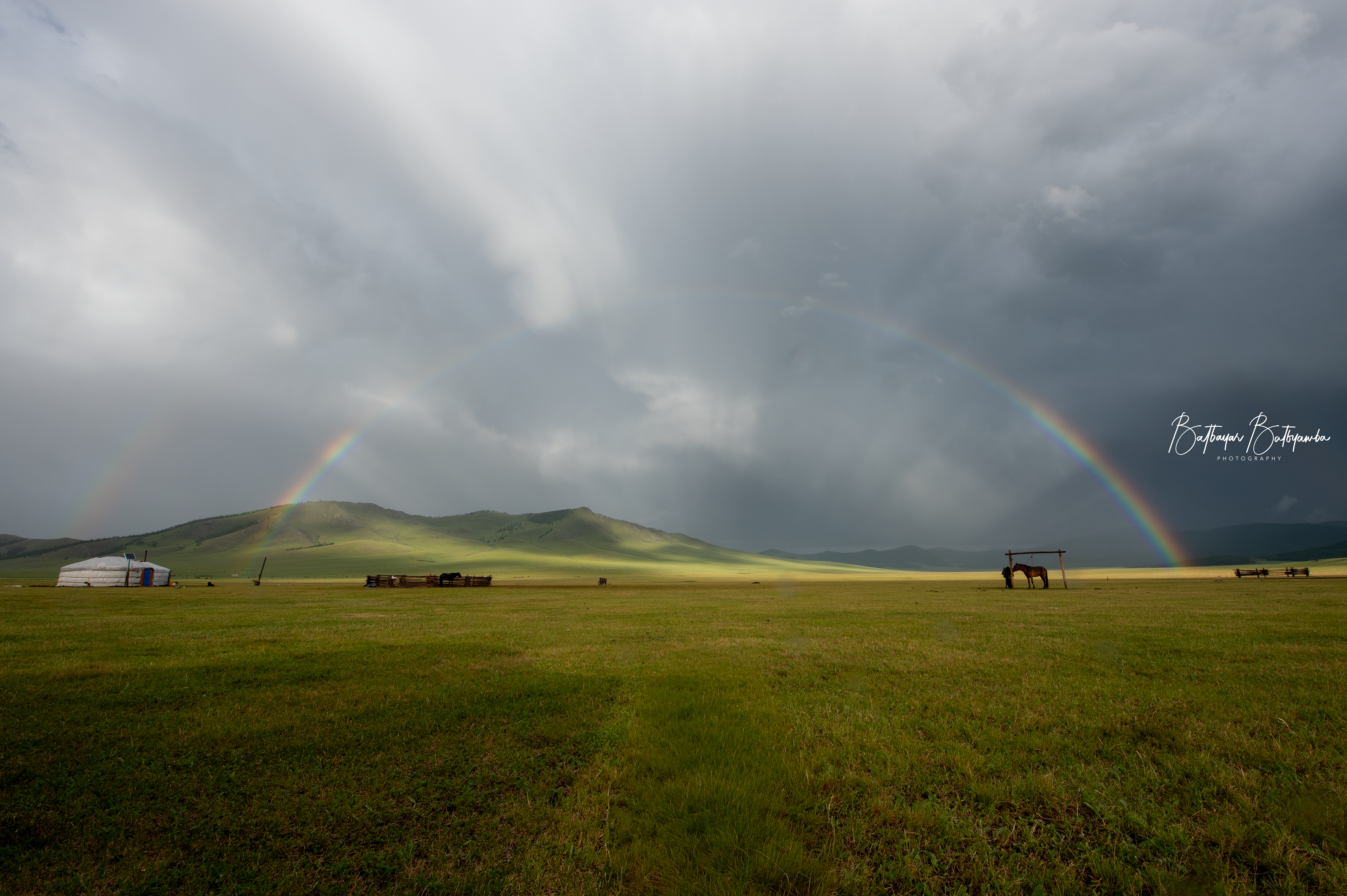
After the rain, Tsenkher Village
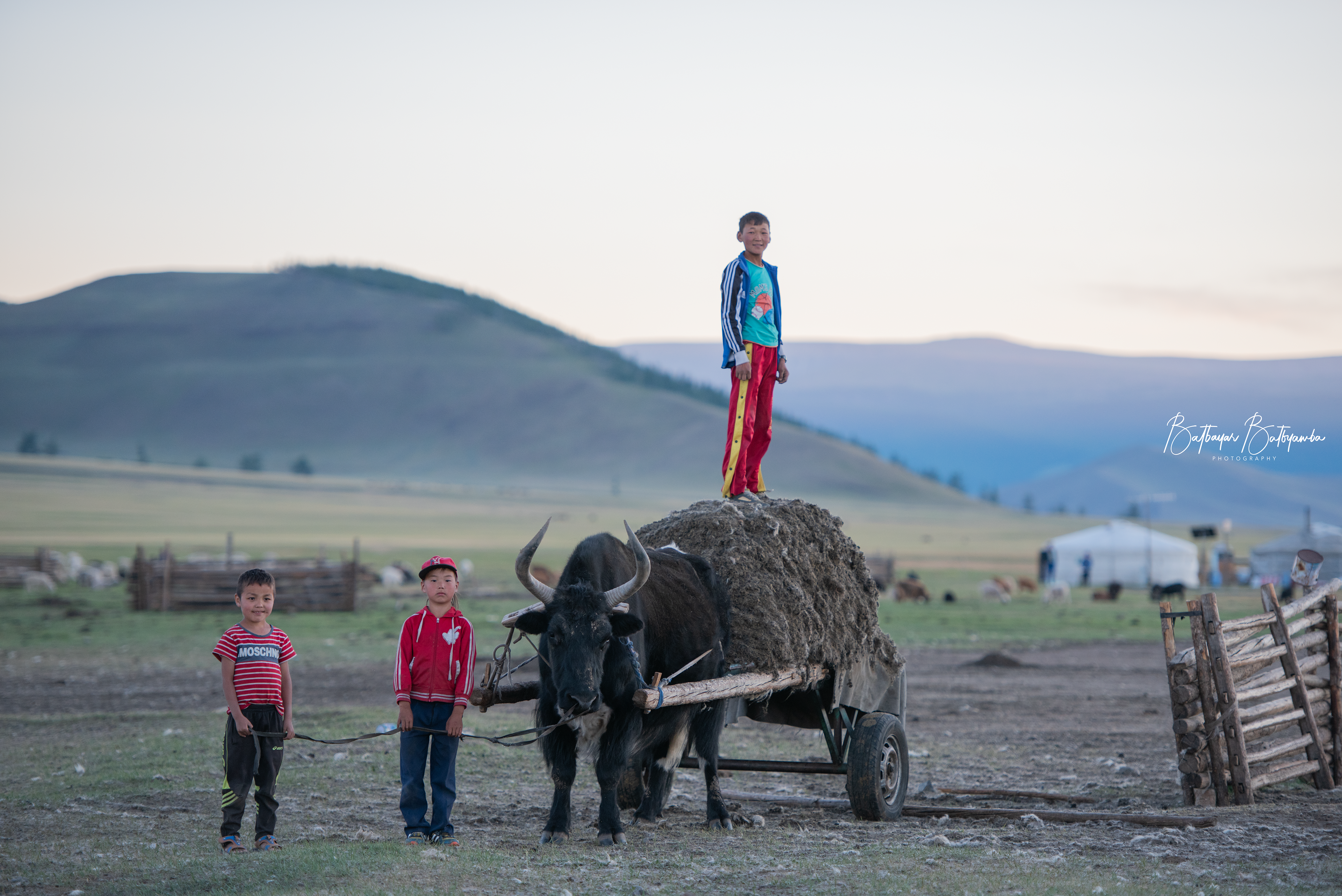
Mongol Kids
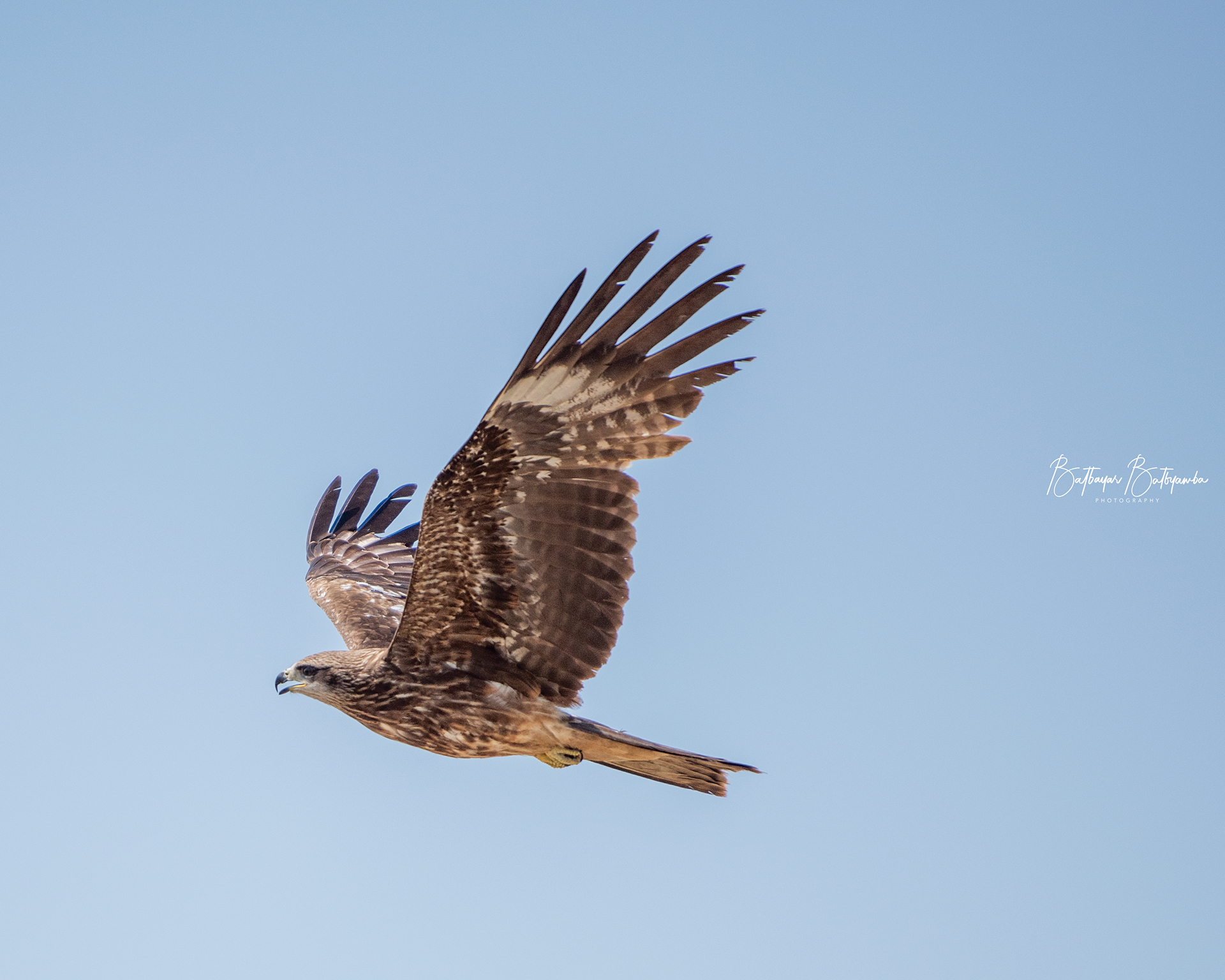
People call Mongolians the world’s last nomads, but true nomads never move too far from the land. They move with purpose, following the seasons and understanding nature. Each season brings change, and nomads give the land time to rest and recover. This way of life has always been about balance and respect between people and nature.
Today, some Mongolians still live as nomads, herding animals across the wide steppe. But this culture is slowly fading. Land ownership, population growth, and many modern challenges have made it harder to live freely. Even so, the nomadic spirit still lives in the hearts of Mongolian people, connecting them to their ancestors and to the earth.
Today, some Mongolians still live as nomads, herding animals across the wide steppe. But this culture is slowly fading. Land ownership, population growth, and many modern challenges have made it harder to live freely. Even so, the nomadic spirit still lives in the hearts of Mongolian people, connecting them to their ancestors and to the earth.
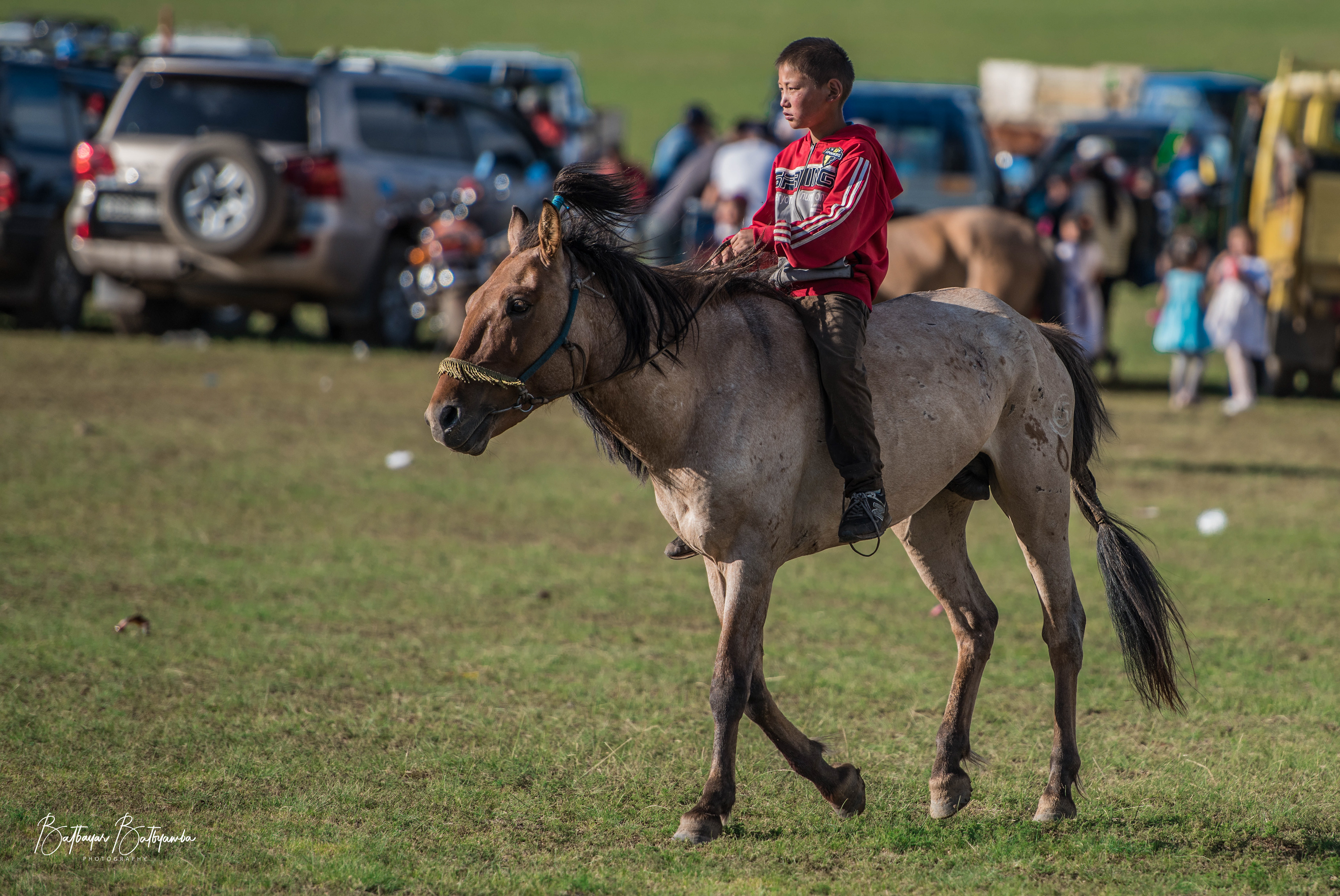
Naadam festival 2017 summer
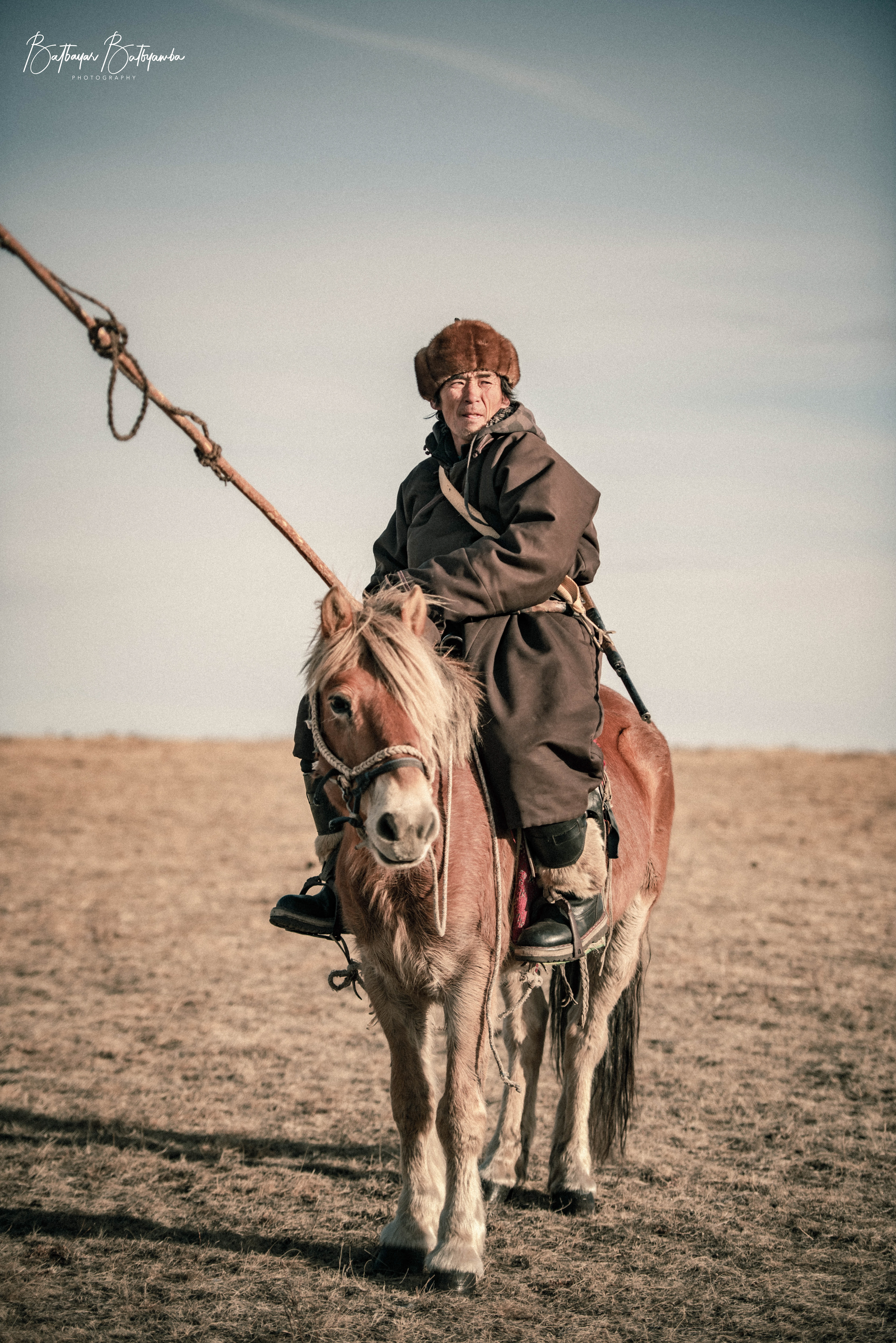
Uncle Ama 2018 winter
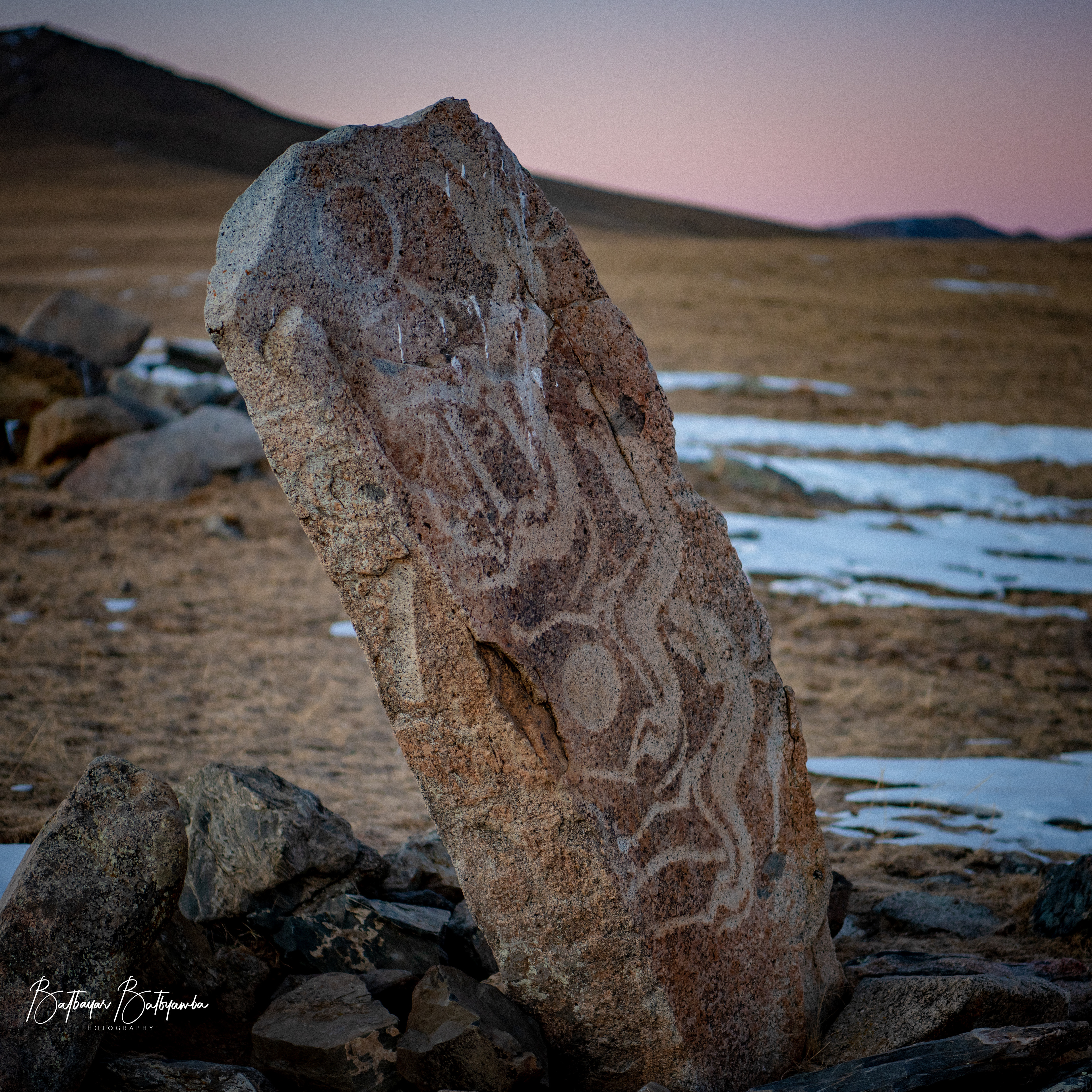
Ancient deer stone from the Hunnu era, a symbol of Mongolia’s early nomadic culture. 2018
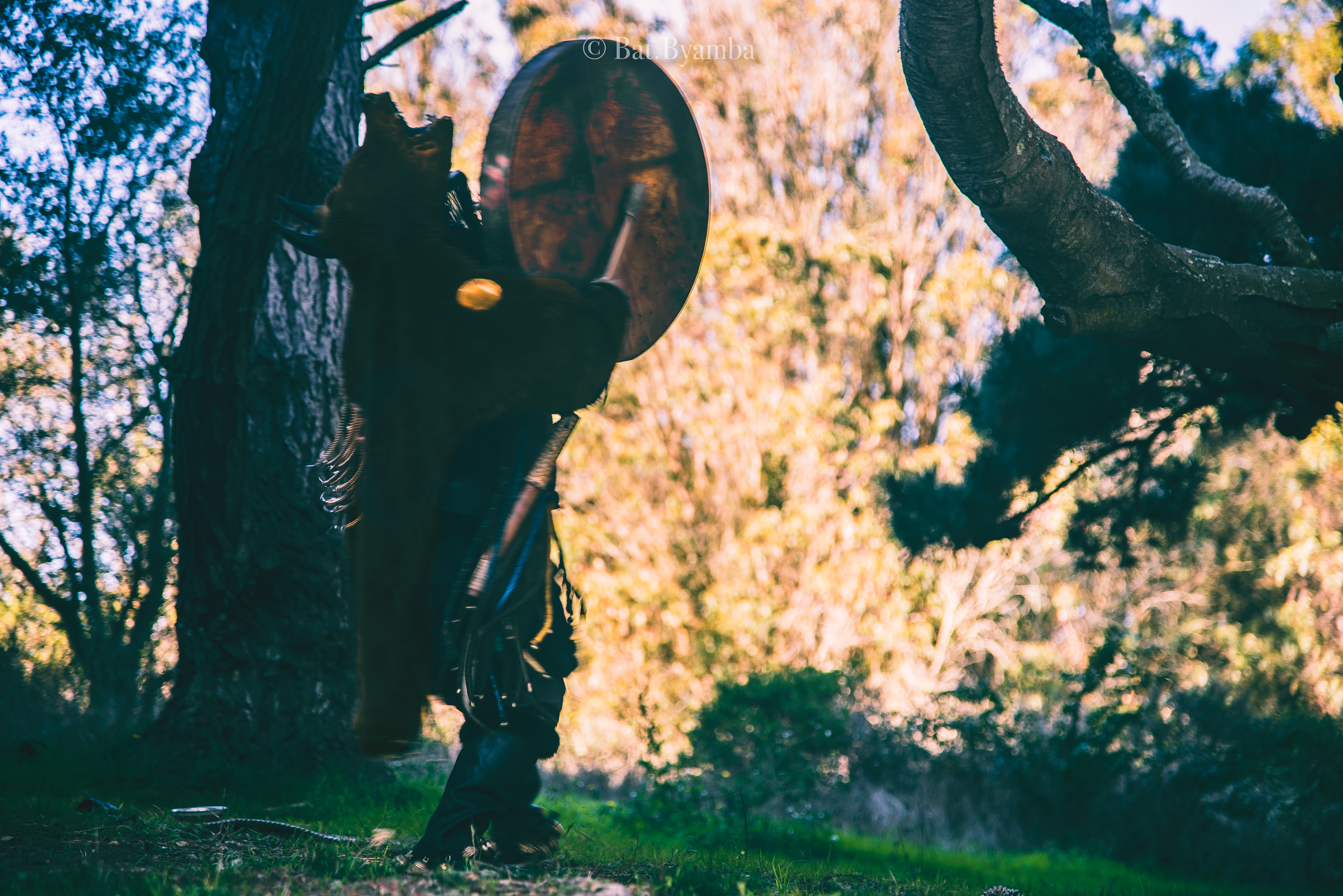
Mongolian Shaman 2017 San Francisco
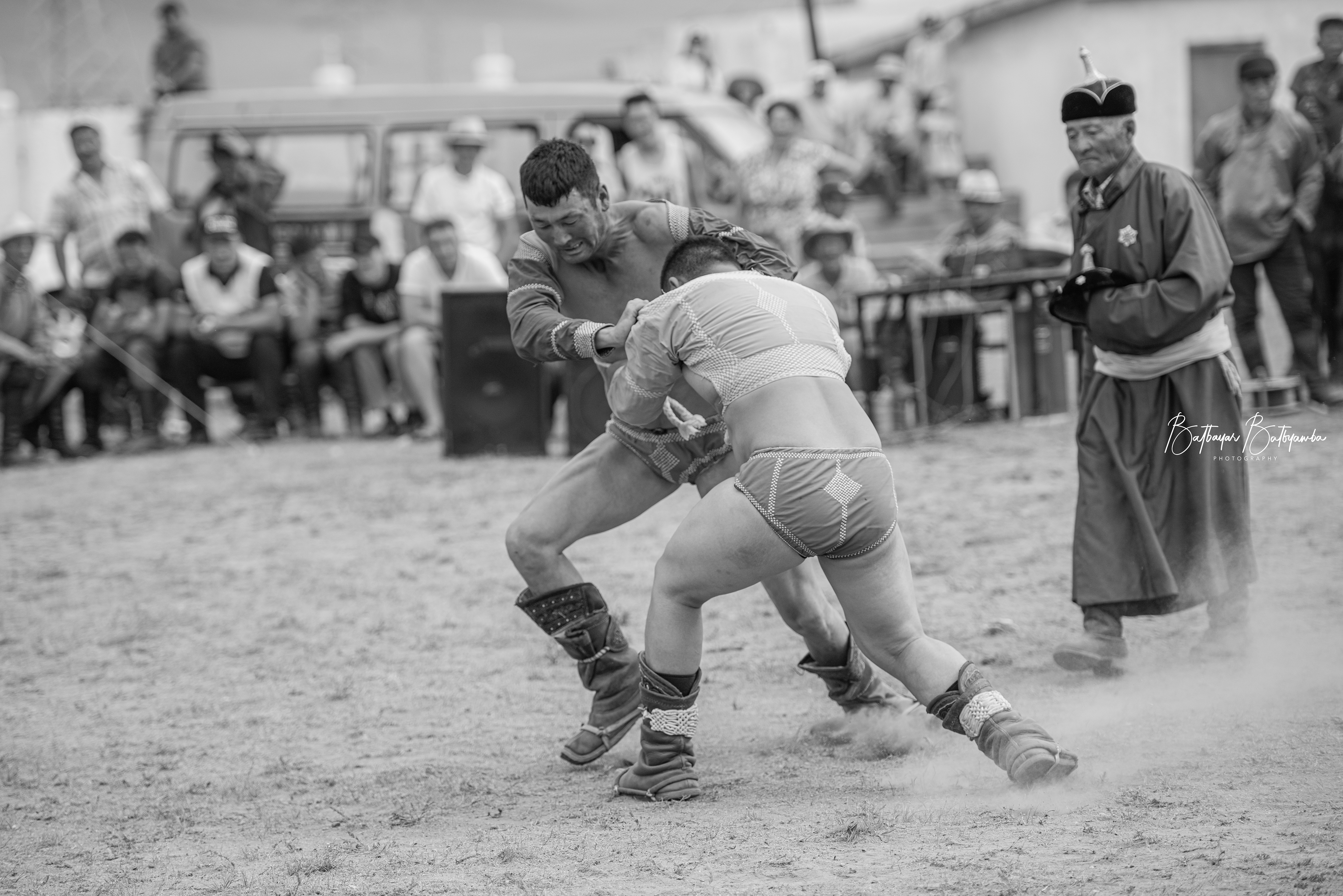
Mongolian traditional wrestling 2017
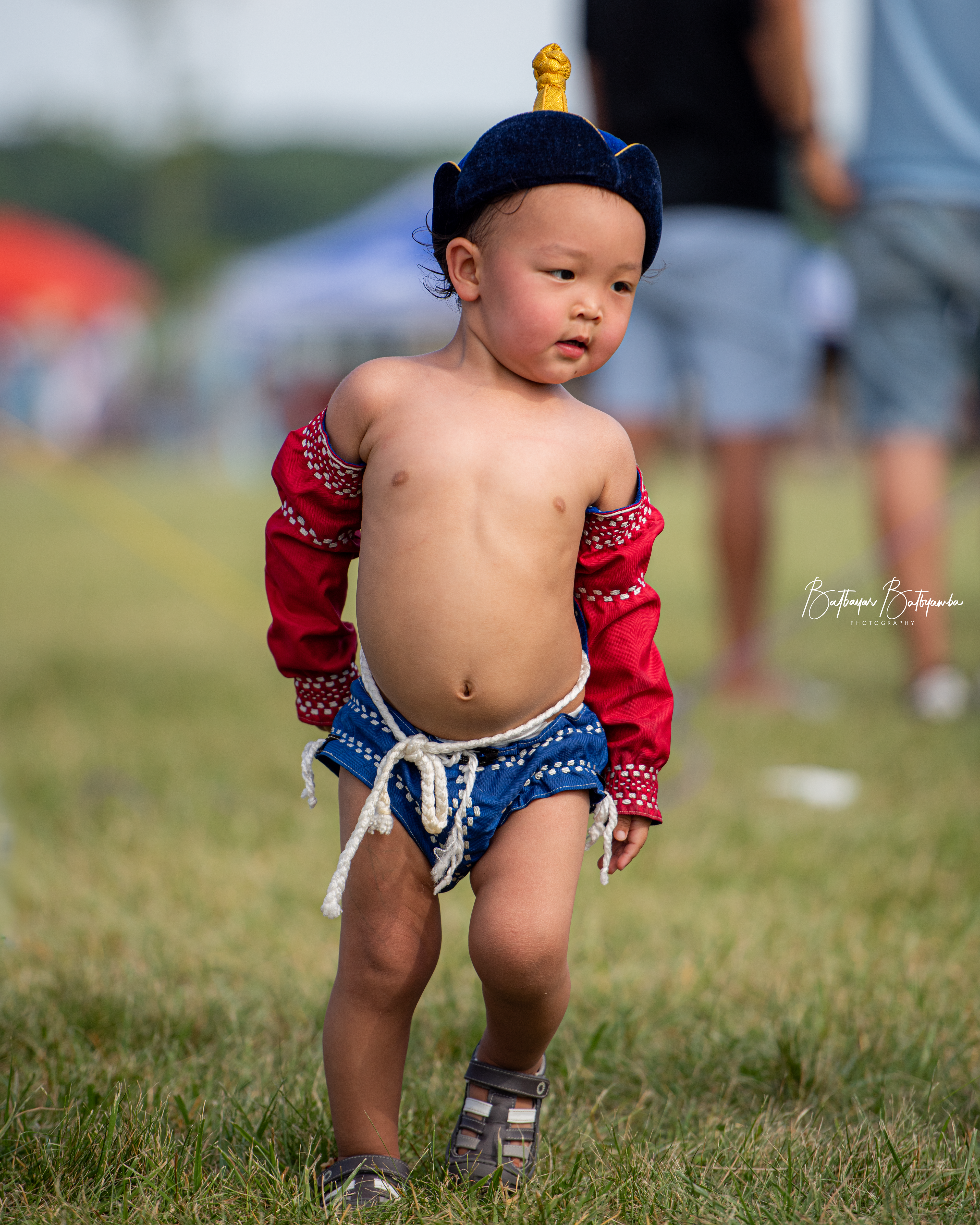
Young wrestler, Chicago 2019
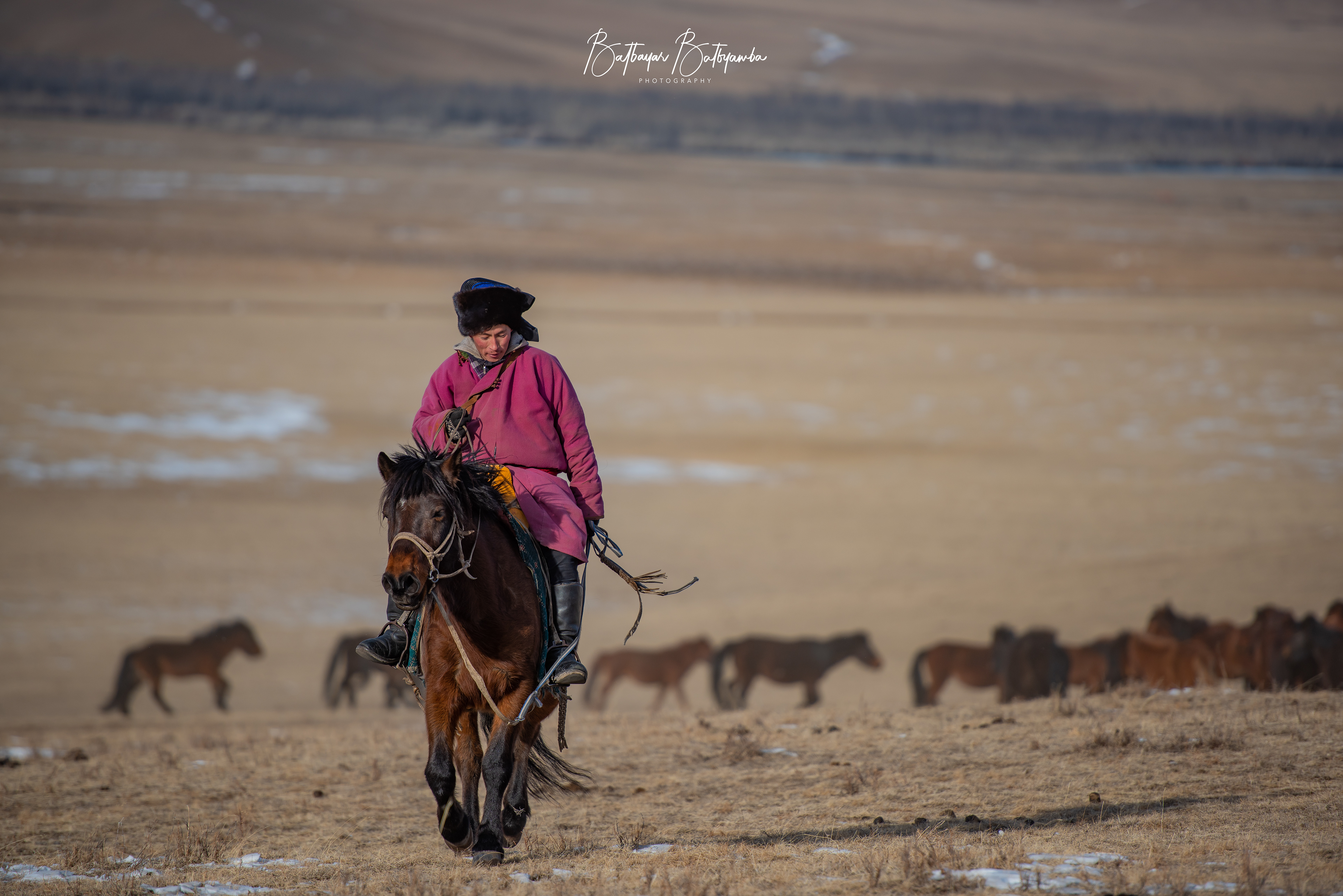
Aduuchin 2018
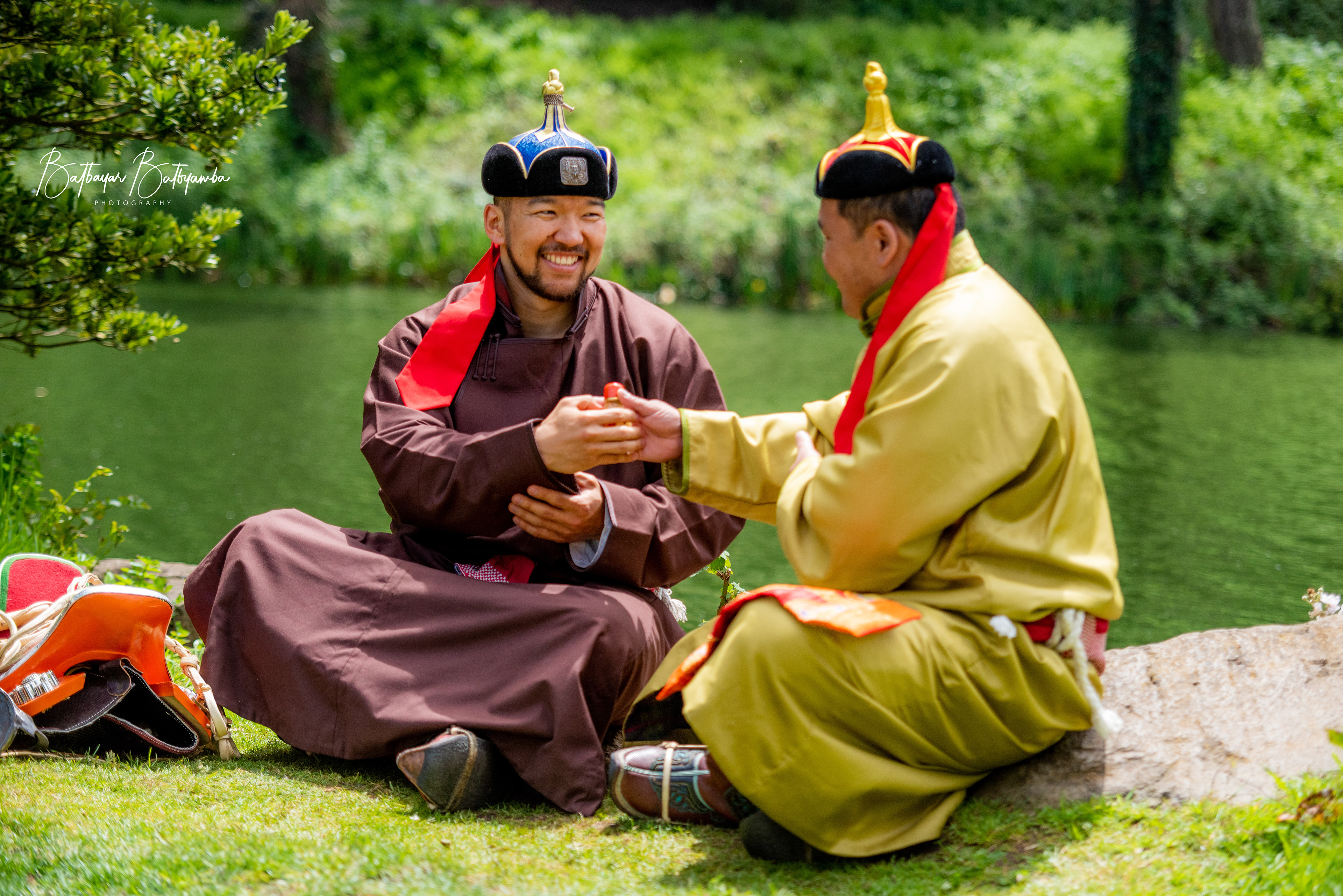
A moment of respect. The wrestlers greet each other. 2019 Golden Gate Park
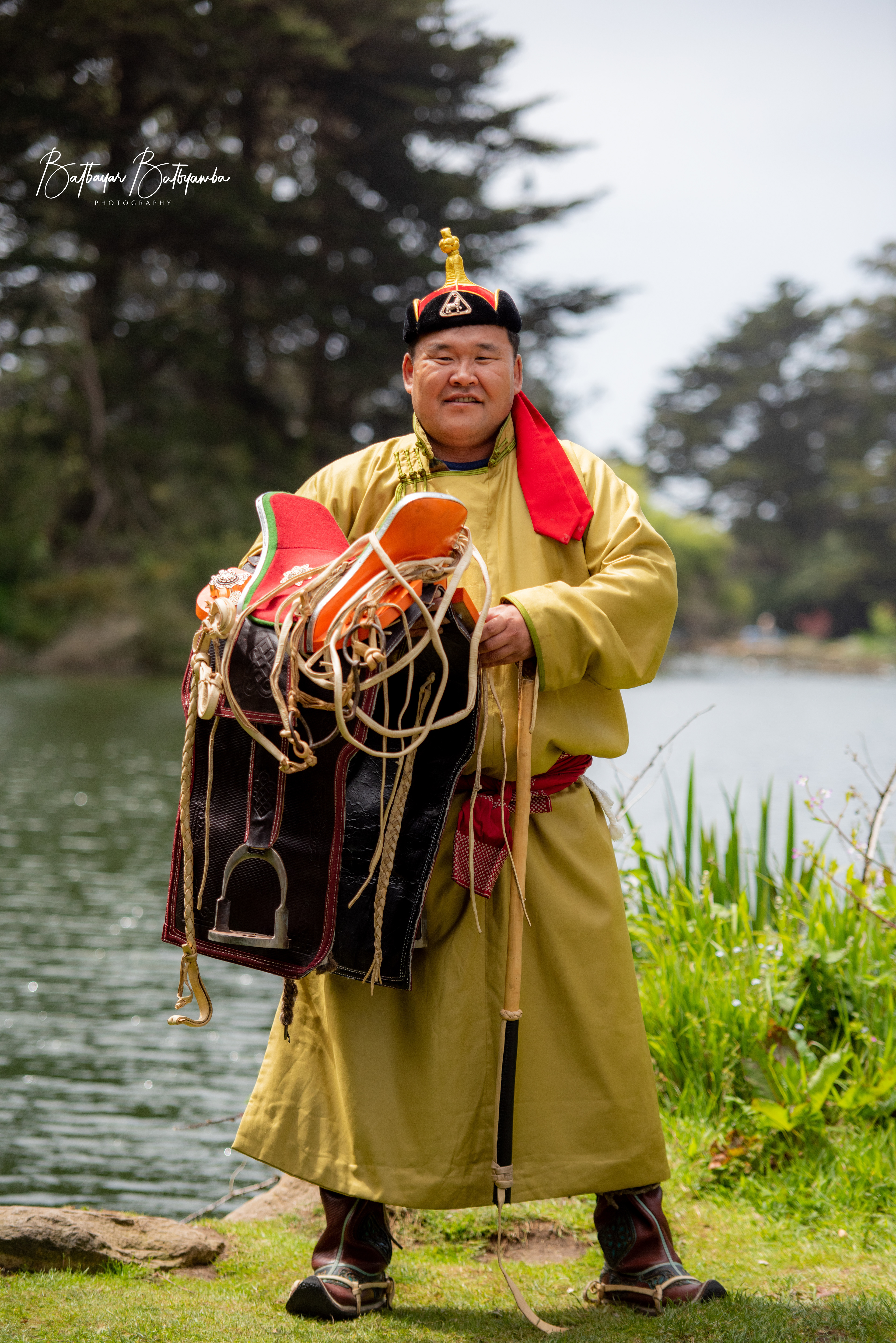
Portrait of the Zaan, San Francisco city
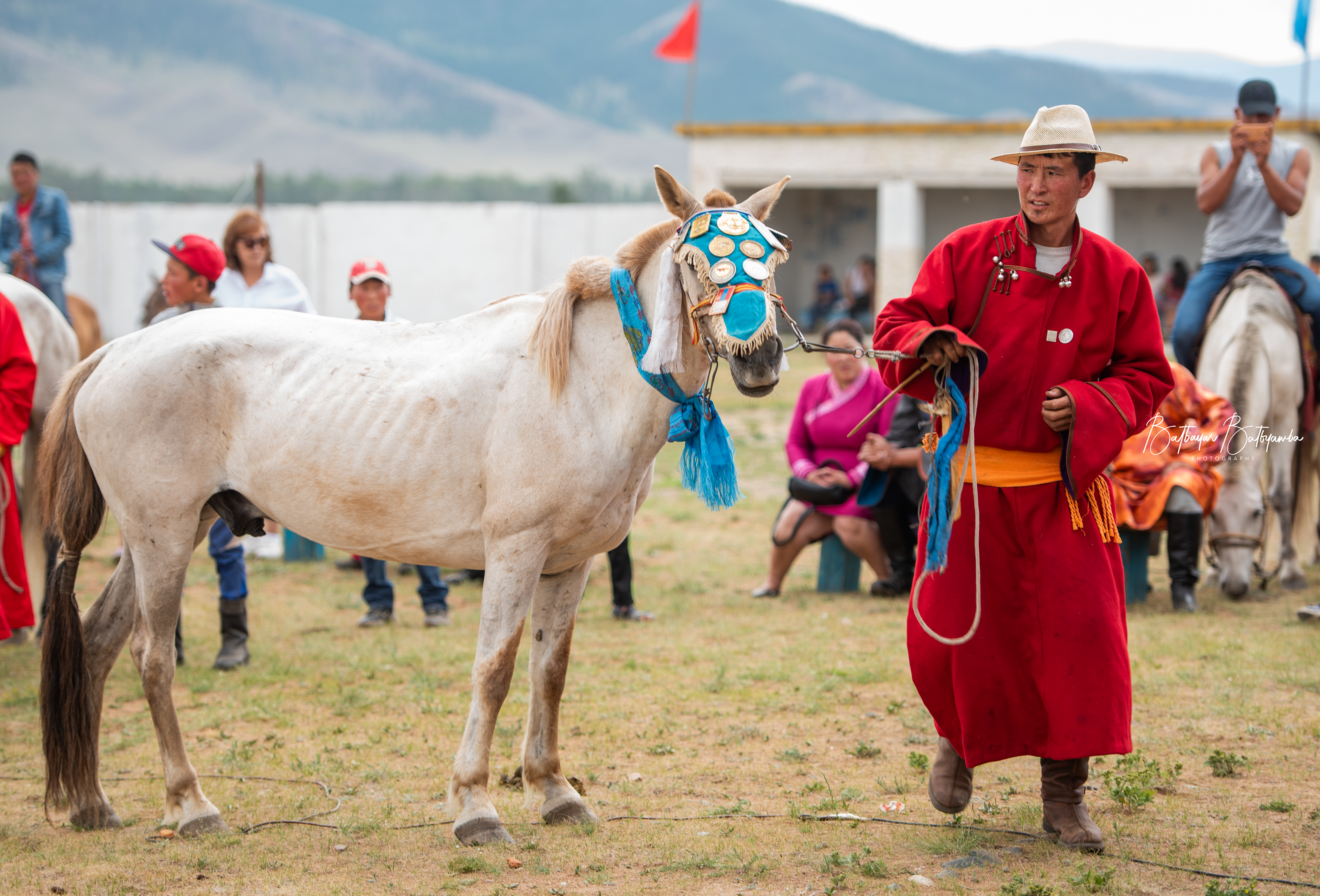
Champion horse, Ikh Tamir Village
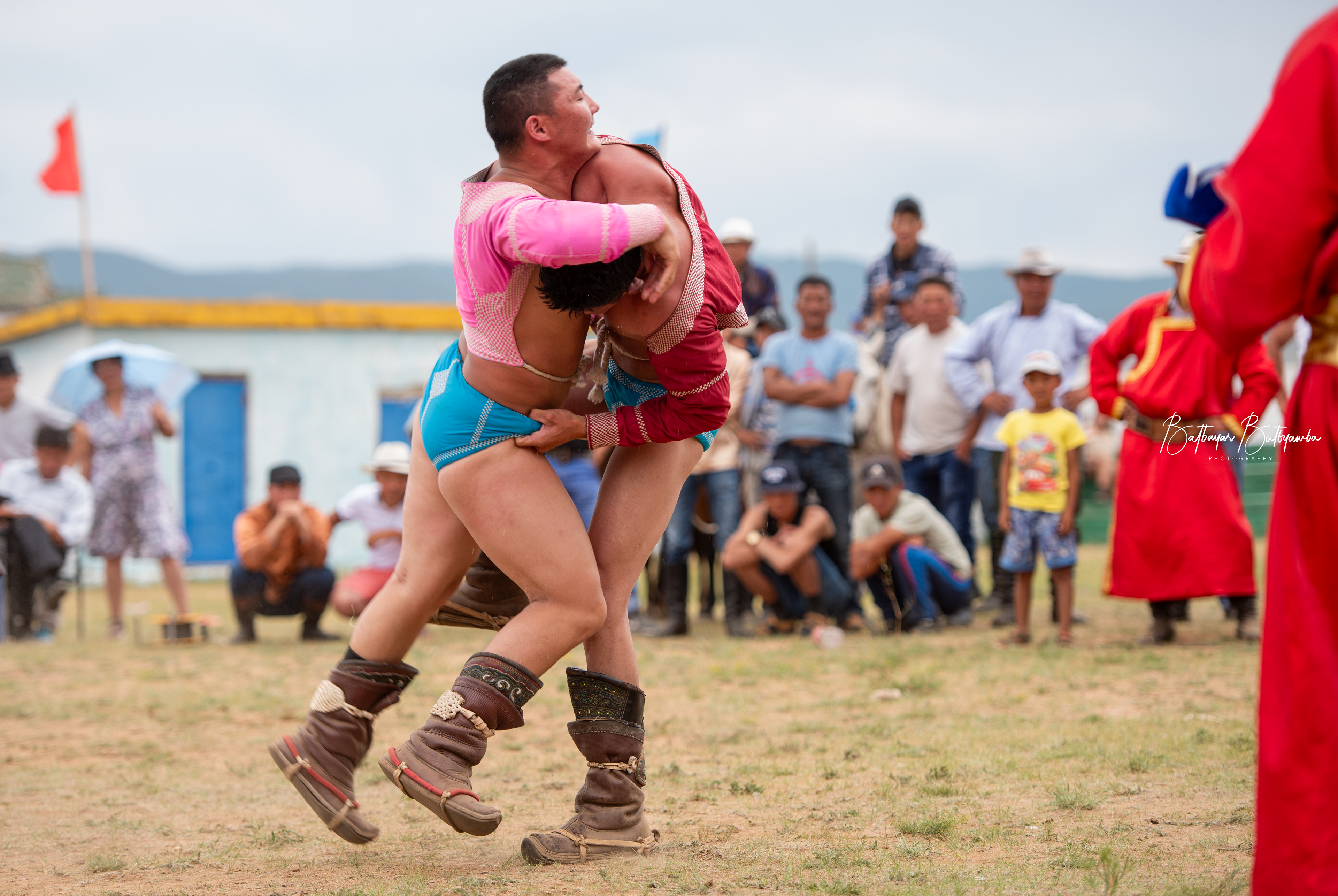
During the wrestling competition at Naadam…
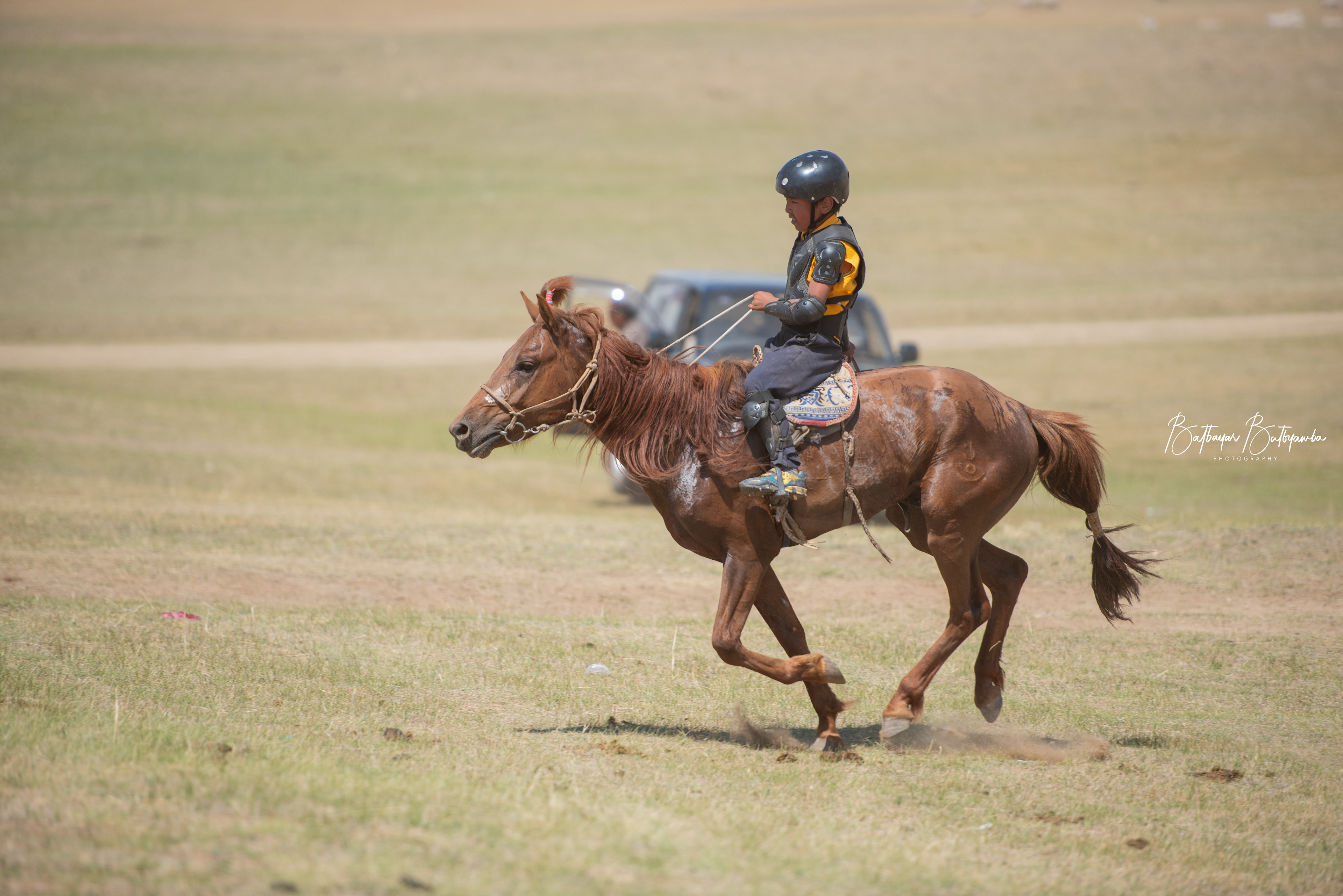
The leading horse is just a few meters away from the finish, Ikh Tamir Village
Mongolian history is filled with strong and fearless warriors who once ruled the largest empire in the world. They were skilled horsemen, archers, and wrestlers who trained to survive and to fight on the wide steppe. For them, strength, courage, and unity were not only virtues but a way of life.
Naadam began as the warriors’ training ground, where men tested their power, speed, and accuracy. Over time, it changed from military preparation into a national celebration of culture and pride.
Today, Naadam is the most famous festival in Mongolia. It honors the same three ancient skills: wrestling, horse racing, and archery. Each game carries the spirit of the Mongol warriors, showing strength, grace, and connection to nature. Even after many centuries, Naadam still reminds every Mongolian of their ancestors’ courage and the lasting power of tradition.
Naadam began as the warriors’ training ground, where men tested their power, speed, and accuracy. Over time, it changed from military preparation into a national celebration of culture and pride.
Today, Naadam is the most famous festival in Mongolia. It honors the same three ancient skills: wrestling, horse racing, and archery. Each game carries the spirit of the Mongol warriors, showing strength, grace, and connection to nature. Even after many centuries, Naadam still reminds every Mongolian of their ancestors’ courage and the lasting power of tradition.
Throughout history, Mongolians have respected all religions. Even during the great empire of the 13th century, when Mongolia ruled much of the world, they never destroyed temples or sacred places. That respect continues today. In the 17th and 18th centuries, most Mongolians followed Buddhism, and by the 19th century, the nation had united with a strong sense of independence and freedom. Mongolians have always believed that nature itself is sacred. During the empire, there were even laws to protect it. For example, if someone polluted a river, they faced severe punishment. This deep respect for the earth, sky, and all living things remains at the heart of Mongolian culture.
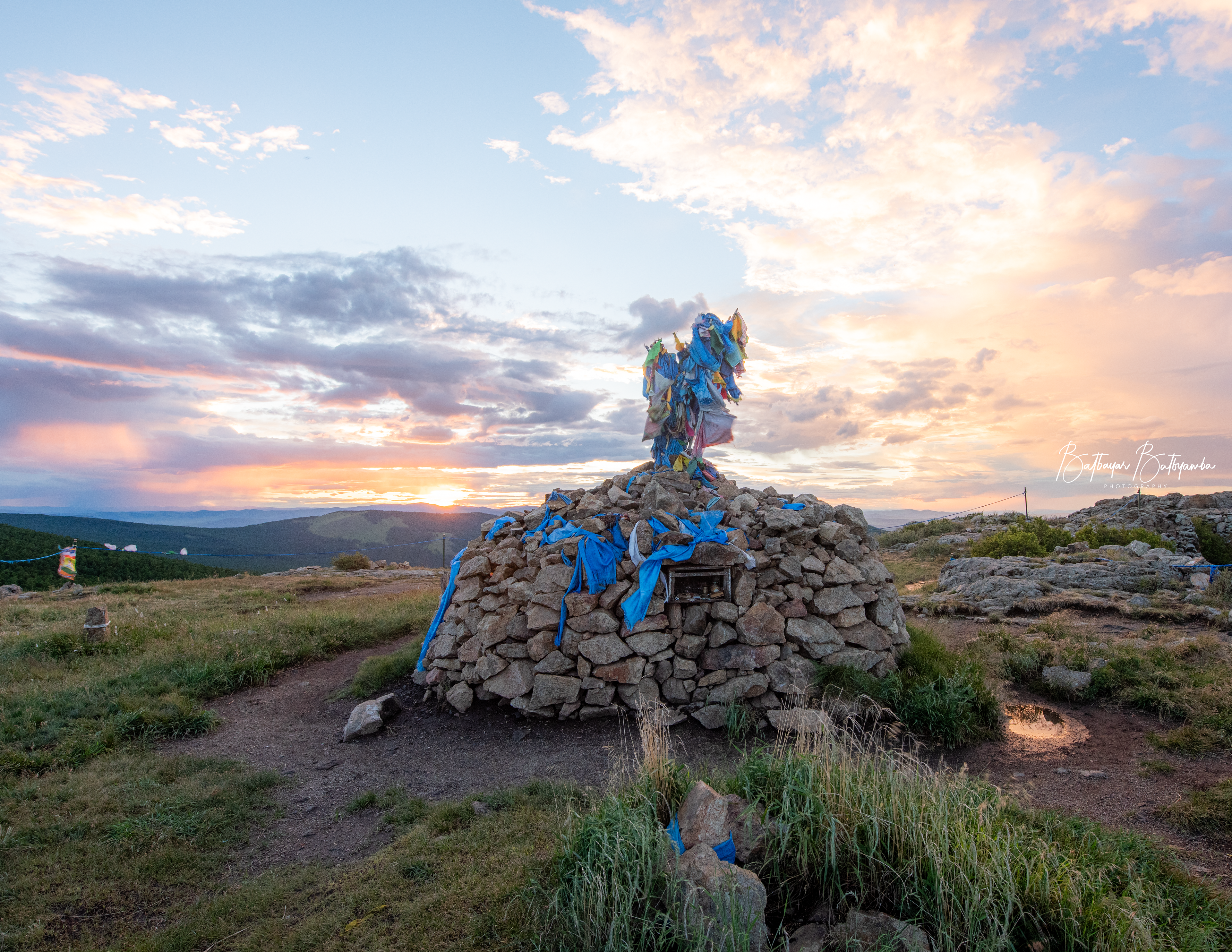
2017Ovoo, Uvurkhangai aimagy
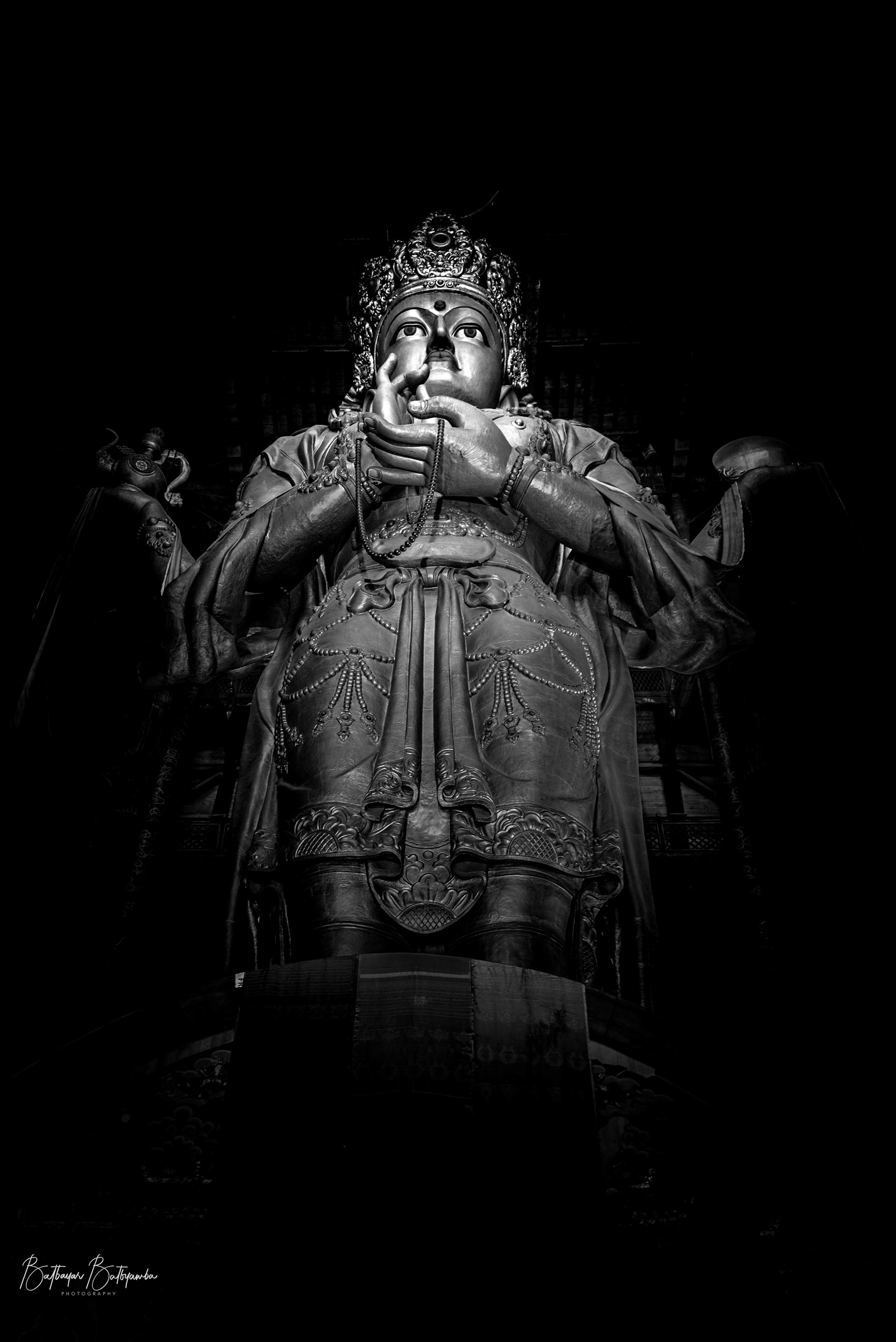
The Great Janraisig Buddha of Gandantegchinlen Monastery 2017
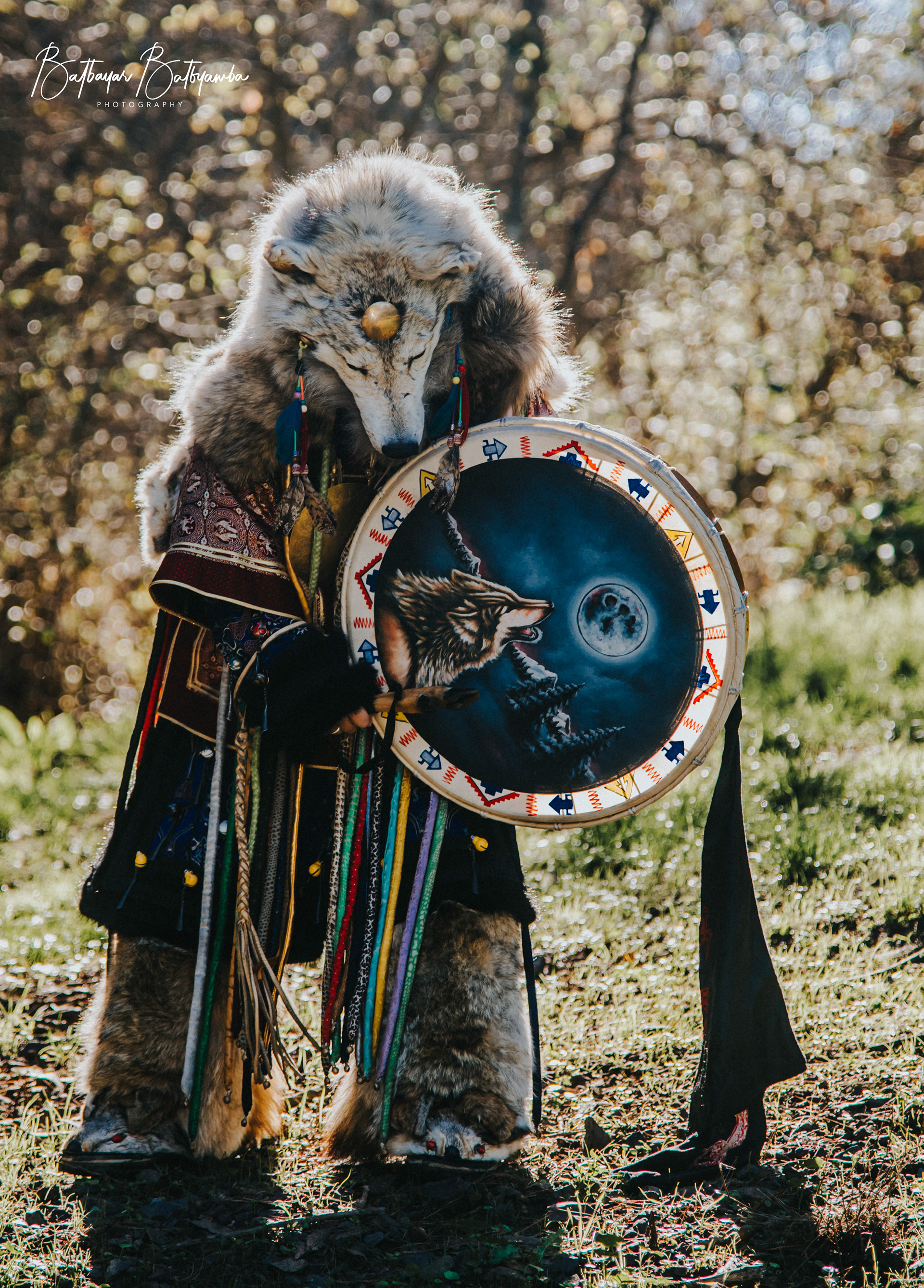
Young Shaman 2017 San Francisco 2017
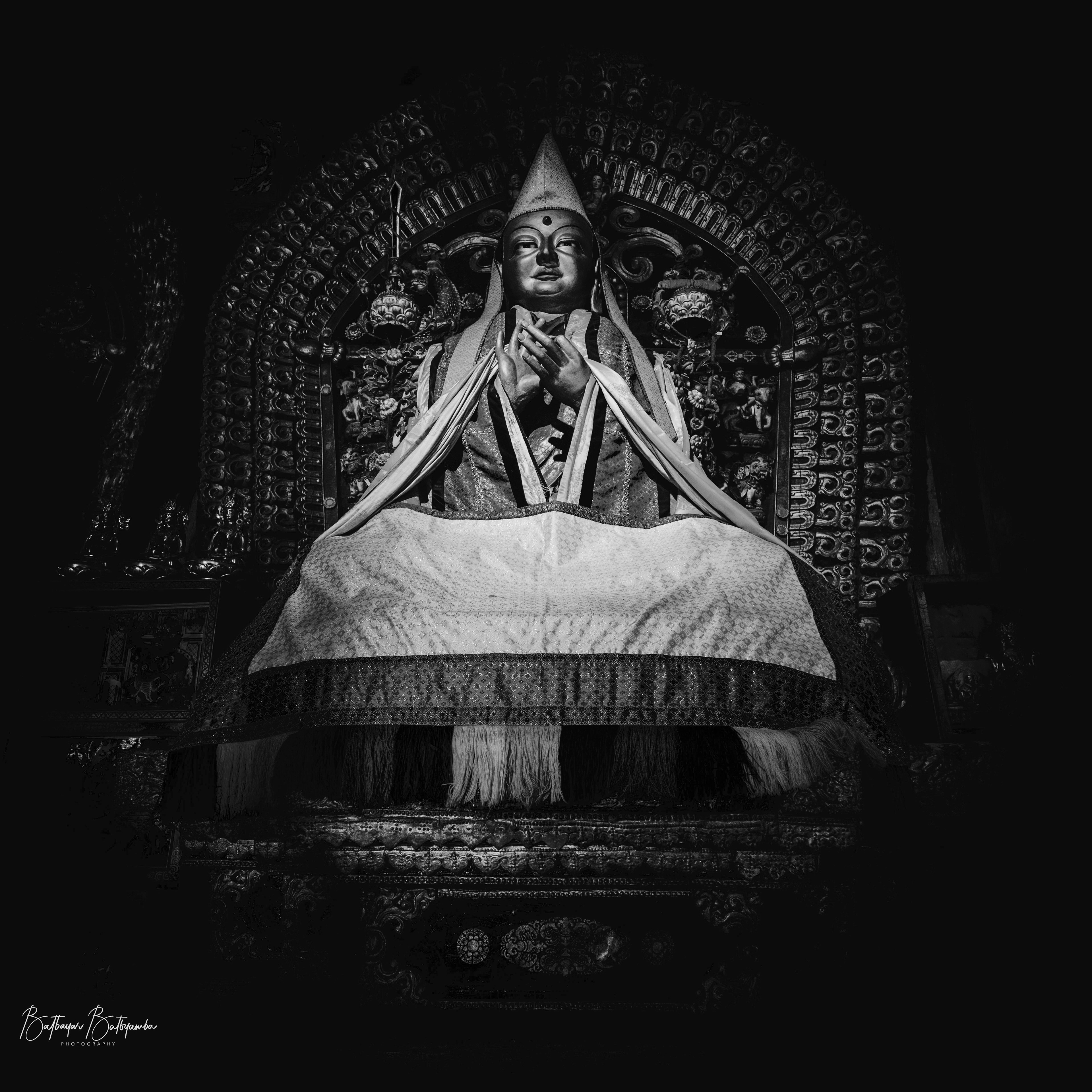
Buddha Kharhorin, Mongolia 2017
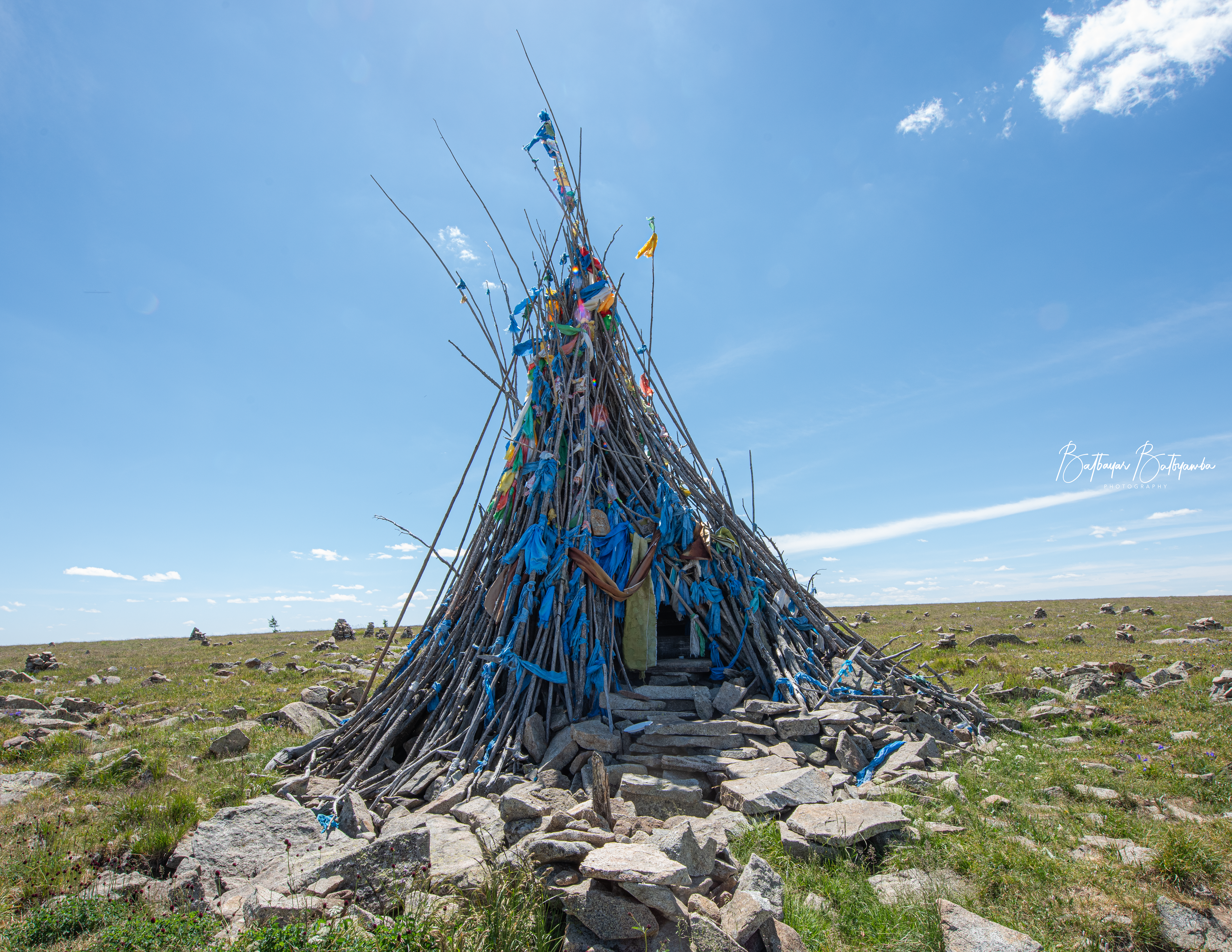
Ovoo Mt. Khan Undur 2017
For me, having lived in the U.S. for about ten years now and being part of the Mongolian community in Sacramento, I see how we still keep our traditions alive. And I think that as Mongolians, we see ourselves as protectors of nature in our own way. That's why sharing these photos and these stories matters; it's not just about looking back at our own culture but also about sharing a message of caring for the earth with everyone around us.
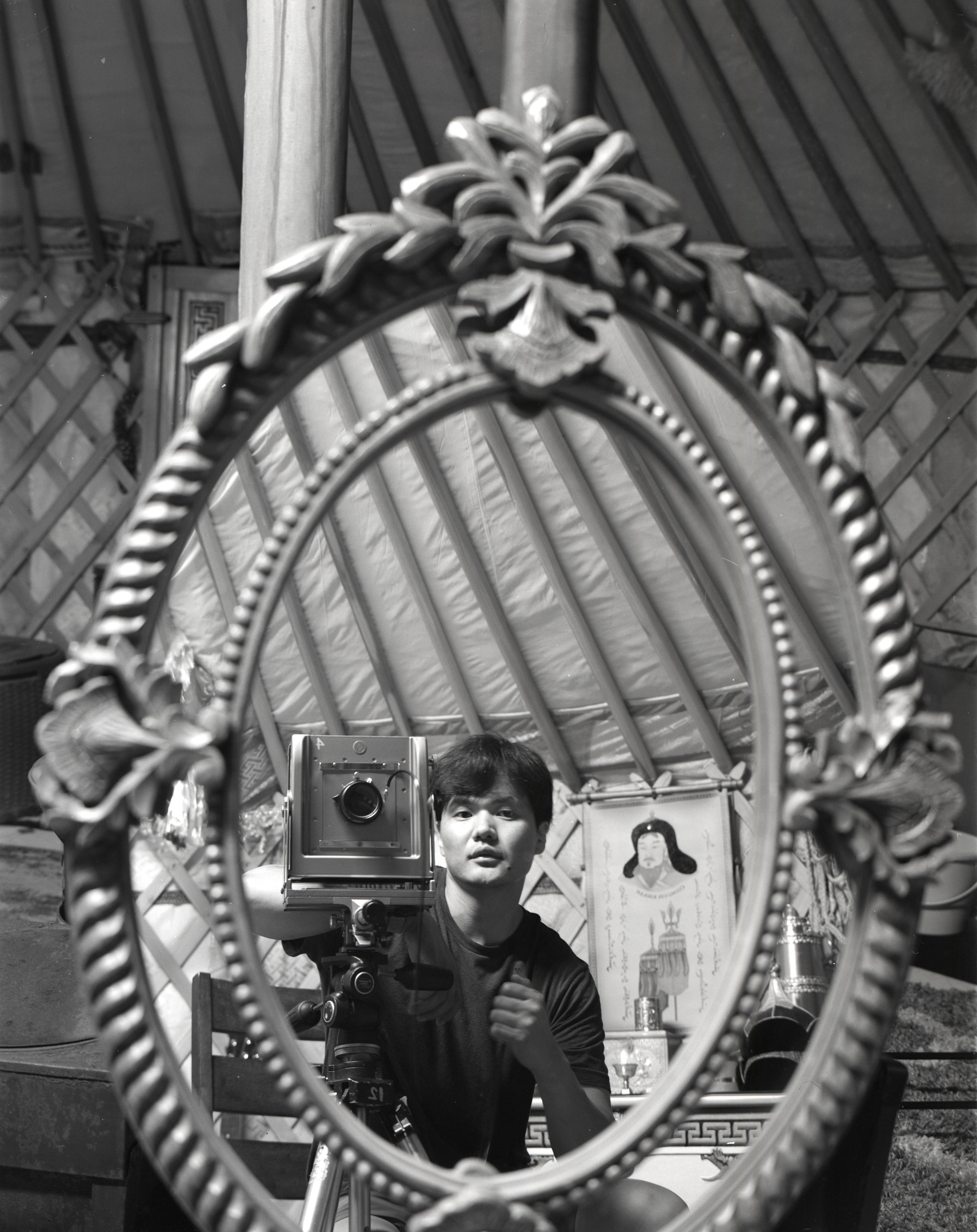
Self Portrait 4x5 film 2025
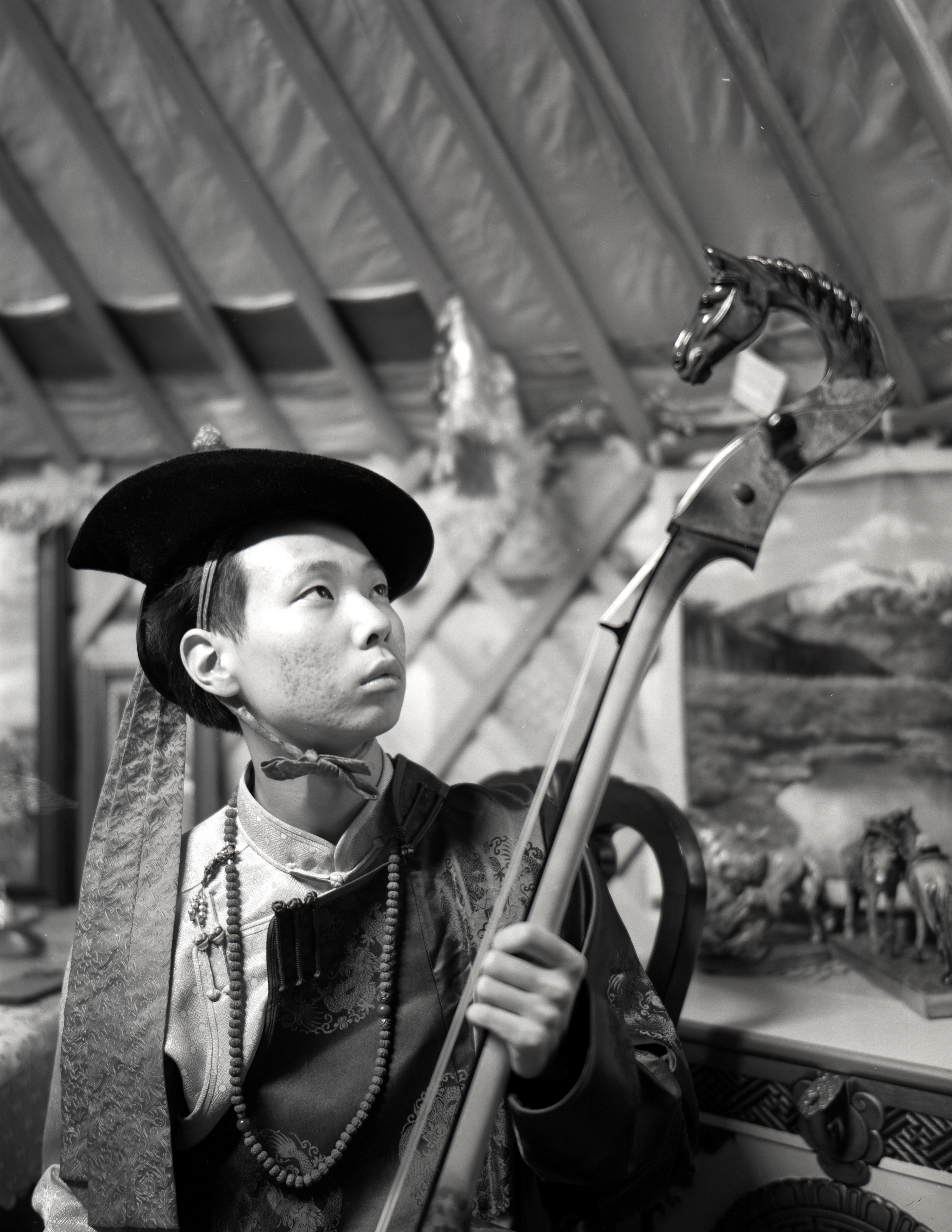
My little brother portrait 2025
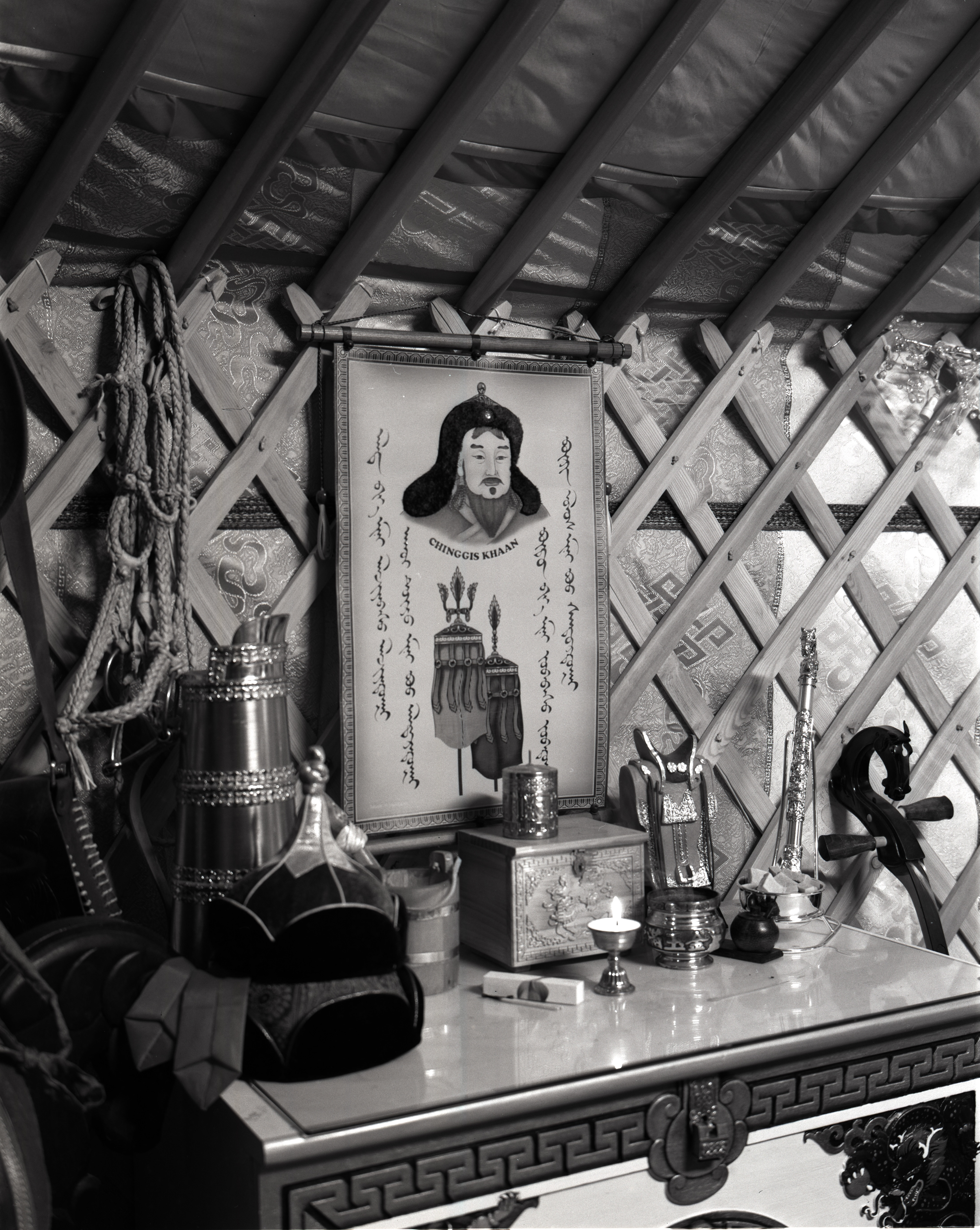
Ger